
Website vs. Social Media: Why Your Website Matters More Than Instagram
Instagram has been the go-to platform for wedding creatives for years. You’ve more than likely poured hours into perfecting your feed, staying consistent with your reels, posting daily on your stories, and keeping up with whatever new feature or algorithm change Instagram comes out with next (trial reels, reposting, Instagram notes… the list gets longer and longer). And yes, you’re working hard, but your website should be working as hard as you do, if not harder. And if we’re being honest, it’s probably not. Which is where the debate of Website vs. Social Media comes in, and what business owners should be focusing more of their time on in 2026.
If you’re a wedding creative who’s been relying heavily on Instagram to book clients, 2026 is the year to shift your strategy. Yes, Instagram obviously gets lots of attention, but your website is what closes the deal.
Why a Website Builds More Trust Than Social Media Platforms
The reality is: you do not own your Instagram account. You’re renting space on someone else’s platform, and they control everything—the algorithm, the reach, the rules, and yes, even whether your account exists tomorrow. Instagram can change their terms of service, tank your reach overnight, or even delete your account without warning. It’s happened before to plenty of people I know, and it’ll most likely happen again.
You OWN your website. You control it meaning YOU decided what shows up, how it looks, and who sees it. When you invest in a professional website, you’re building long-term credibility and establishing your online presence on your own terms, not the Instagram algorithm’s.
The Algorithm Is Exhausting (And It’s Not Getting Better)
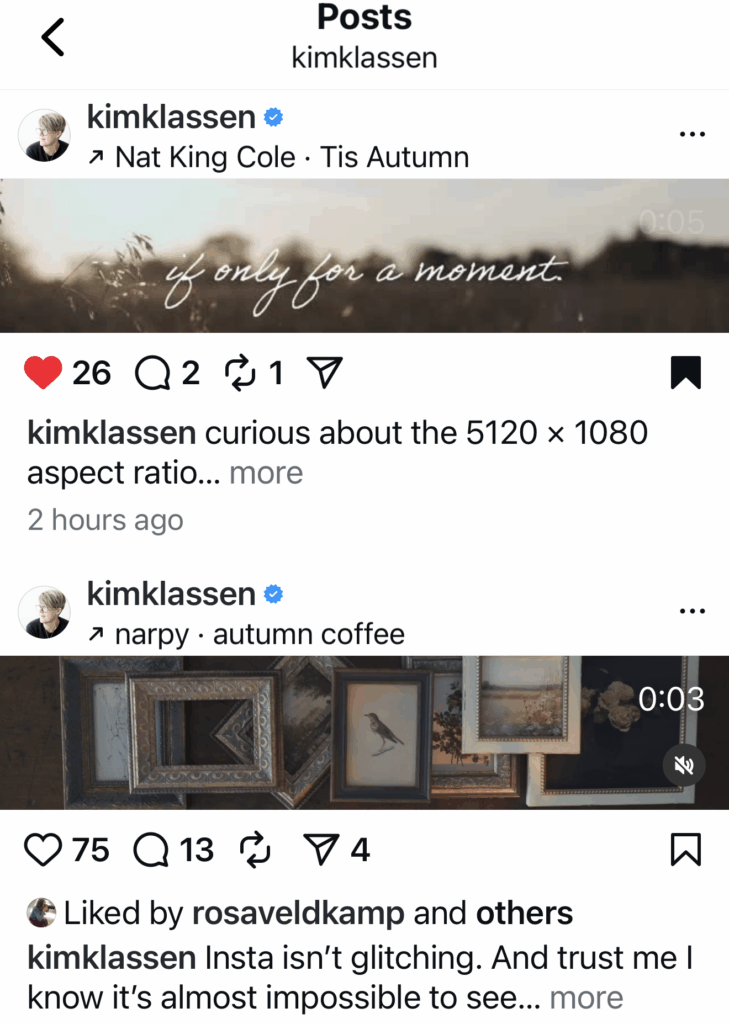
The Instagram algorithm is constantly changing. Remember when it was just photos? Then came stories, IGTV, reels, trial reels, reposting features, notes, carousels that prefer certain dimensions, broadcast channels… it’s exhausting just keeping up. Every time Instagram introduces a new feature, you’re immediately expected to jump on it or risk losing traction.
Does anyone remember when this trend popped up? It lasted MAYBE 2 full days before I stopped seeing them altogether.
The constant pressure to post, engage, respond, and stay relevant can become draining. And even when you’re doing everything “right”, there’s no guarantee your ideal clients will even see your content.
You don’t have to jump through those hoops with a website. It’s there, working for you 24/7 (even when you’re sleeping), without demanding you create 3-5 reels a week or respond to comments within a certain time frame to stay relevant.
Why Google Traffic Lasts Longer Than Instagram Reach
Your website starts to really work when it comes to organic traffic and SEO.
When someone is serious about booking a wedding photographer, officiant, planner, or designer, they don’t open Instagram and scroll to hope the algorithm makes the perfect person pop up within their budget. They go to Google, sit down, open their laptop, and start searching with intention. They’re comparing options, reading websites, and looking for proof that someone is the right fit before they ever reach out.
Instagram is built to bring attention to your services. Your website is built to convert that attention into inquiries. When your website is optimized for search engines, you’re meeting your potential clients exactly where they already are. That’s why web traffic lasts longer, converts better, and continues working in the background longer than two full days.
Evergreen Content and Long-Term Visibility
Instagram posts have a shelf life of, what, maybe 24-48 hours if you’re lucky? A reel might get traction for a week, think about it, how long before the reel you spent hours putting together, did it stop gaining traffic? For me the shelf life is around 3-4 days max. But a well-optimized blog post or service page on your website can drive traffic and conversions for years.
This is why evergreen content is so important. When you create valuable, SEO-optimized content on your website, it continues to work for you weeks, months, and even years after you’ve published it. You’re not starting from zero every single day like you are on social media. Your website builds long-term visibility and keeps bringing in leads while you’re literally doing anything else like working with clients, taking time off, living your life.
It’s Affecting Your Mental Health & Your Nervous System
If you’ve been paying attention to your FYP’s or Instagram feeds, you’ve probably noticed a major shift happening. People are so tired and over AI and social media and feeling like they’re always “on”. There’s a growing movement toward analog living and going offline in 2026, with more people stepping back from the constant noise of social media and looking for more intentional, meaningful ways to connect.
And it’s not just about being annoyed with social media, being online all the time is draining. The constant notifications, comparisons, doomscrolling, ads, and AI-generated content takes a toll on your mental health and nervous system. We were never meant to process hundreds of opinions before we’ve even had breakfast.
Over time that leads to burnout, decision fatigue, and you start to consume more than you’re creating. That affects how you show up in your business, without even realizing it, and your ideal clients are feeling this too. Which is why so many people are craving slower, more grounded online spaces.
2026 is the Year Everyone’s Getting Tired of Social Media
Part of that exhaustion comes from how social media platforms have changed. Facebook and Instagram used to feel personal. Your feed was mainly people you actually knew… friends, family, maybe even your friend’s dog’s account. Now when you open the app, you’re mainly only seeing strangers, ads, sponsored content rather than people you’re genuinely connected to. Algorithms are optimized to keep you scrolling, not to help you feel connected to your community. Which makes them feel louder, less personal, and more transactional than ever.
And as business owners, we do need those transactions. A community that never converts doesn’t pay the bills. But that doesn’t mean we have to force people into constant consumption or meet them with more noise. It means we get smarter about where and how we show up.
The fashion industry is already responding to this shift toward analog living, and the creative industry isn’t far behind. Your ideal clients, the ones who value authenticity, intention, and breaking away from tradition, are likely part of this movement too. They don’t want to spend hours scrolling Instagram or TikTok. They want to find someone whose work resonates with them, check out their website, and make a decision.
If you still have all your eggs in one basket and rely on Instagram as your only marketing tool, you’re likely working harder than you need to. But if you have a website that showcases your work, tells your story, and makes it easy for people to book you? You’re meeting your ideal clients exactly where they want to be met.

Why Wedding Creatives Need a Website, Not Just Instagram
The bottom line is, followers and likes don’t pay the bills, conversions do.
You can have 10,000 followers on Instagram, but if none of them are booking you, what’s the point? A website that converts even a fraction of its visitors into paying clients is sooo much more valuable than a large but unengaged social media following.
And when someone is about to drop thousands of dollars on a wedding photographer, wedding planner, or designer, they want to feel confident in their choice. A professional website shows them that you’re a credible business and that you’re established and not just someone with a camera and an Instagram account.
People are more likely to buy from those they trust, and a well-designed, easy-to-navigate website builds that trust faster than a social media profile ever could.
A Long-Term Asset You Actually Own
Social platforms are borrowed space. Algorithms change, reach drops, features disappear, and suddenly the thing you built your entire marketing strategy on stops working the way it used to. (We’ve all been there.)
Your website isn’t like that.
A strong website is a long-term investment in your business, one you actually control. You decide the message, the vibe, the flow, and how people experience your work. When it’s built strategically, your website becomes a system that supports your business without demanding constant attention or daily performance.
If you’re tired of feeling like you’re working for Instagram instead of it working for you, this is your sign to shift some weight back onto your website. Instagram can get eyes on your work. Your website is what builds trust, filters for alignment, and turns interest into actual inquiries. Diversifying where and how people find you isn’t dramatic, it’s just smart.
If you’re ready for a website that actually reflects the quality of your work and attracts the kind of clients you want more of, you’ve got options. If a fully custom website isn’t in the cards right now, you’re in luck because I offer bold, edgy, far-from-boring Showit website templates made for wedding creatives who refuse to water themselves down.
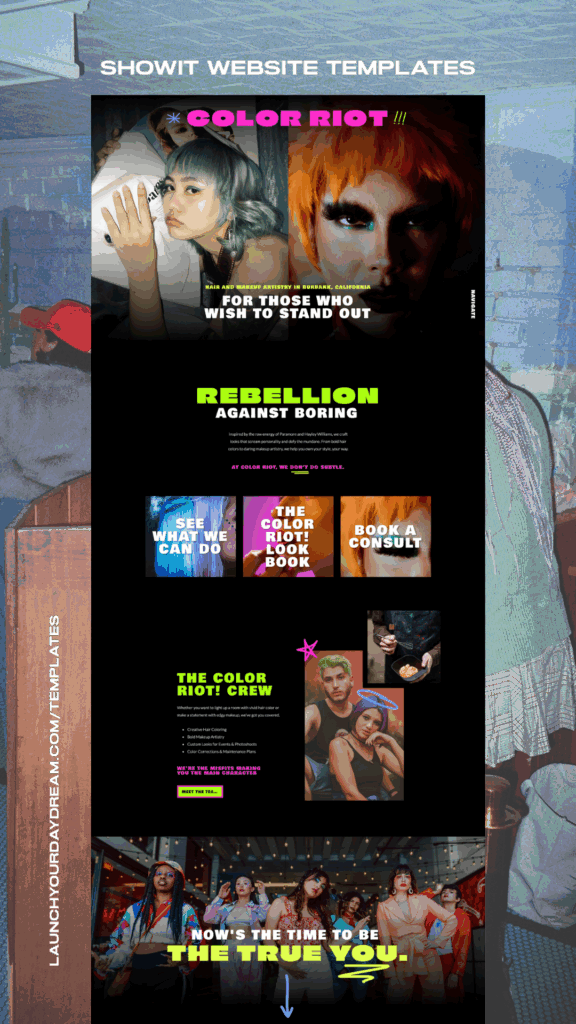
And if you’re ready to go all in, my Website in a Week service gives you a strategic, high-converting website without dragging the process out for months.
Either way, it’s time to stop relying on rented platforms and start building something that actually works for your business.

NOTE: Trends evolve over time and some of our older blog content may no longer be up to date! Take note of the date at the top of this post and acknowledge that some things may have changed since this was initially published. :)